
A GUIDELINE ON HOW TO CHOOSE THE RIGHT MATERIALS FOR ROAD CONSTRUCTION
When it comes to road construction, you typically think of asphalt or concrete, but what is the difference between the two? What other materials are used? Selecting the right materials is like choosing the right clothing for the climate; it's context-dependent. You wouldn’t wear shorts during a blizzard, nor would you wear a winter jacket in a heat wave. If you use the wrong materials in road construction, the consequences down the line can be dire.
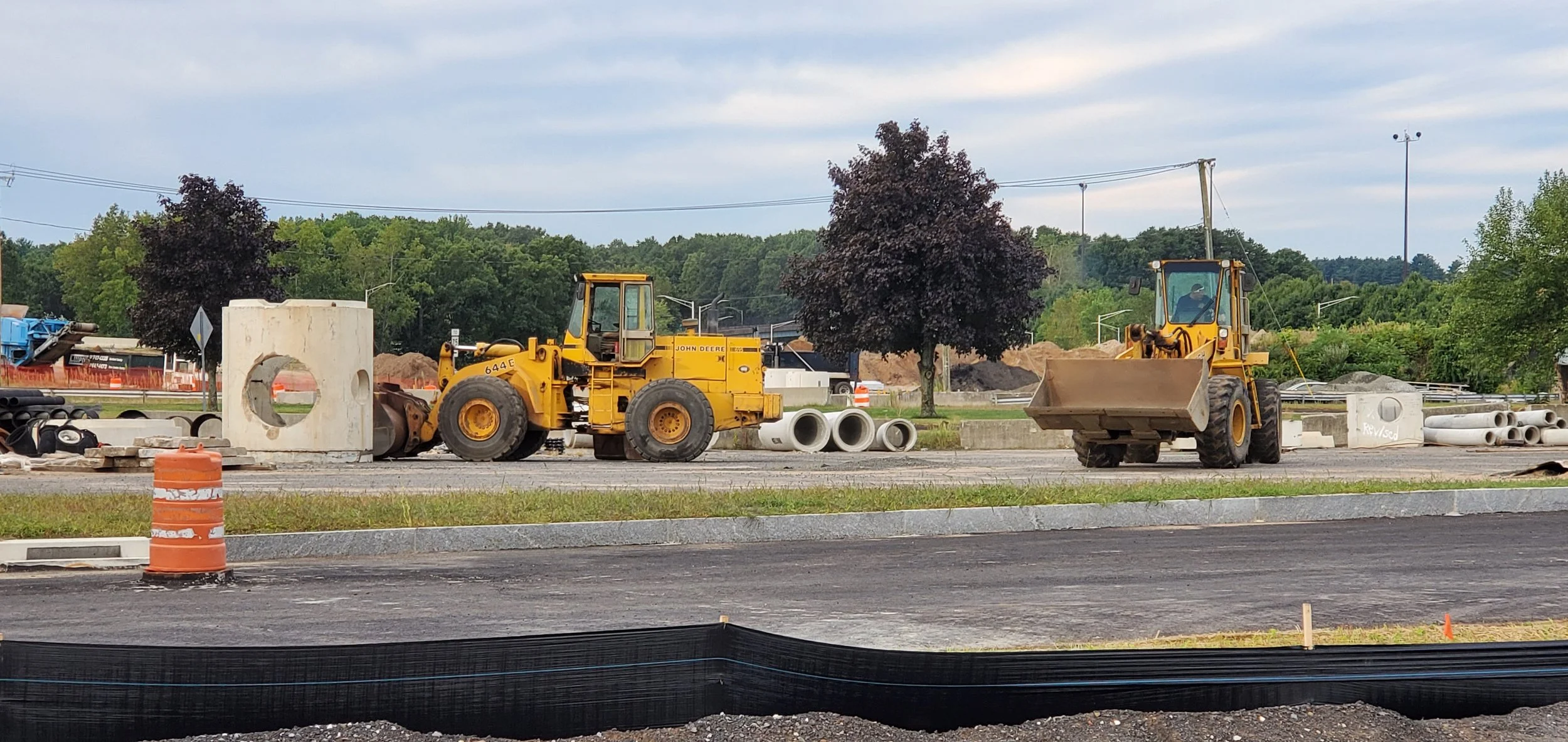
Asphalt is a popular material choice in road construction. It is flexible and can last for around 15-30 years. It is created by binding aggregates like sand and stone with bitumen. It's typically used to develop roads or parking lots. It may also be used for quick repairs. Asphalt doesn’t take as long to cure; in most cases, it is traffic-ready in a matter of days. Asphalt handles movement in the subgrade well and provides a smooth ride. It is more cost-effective than concrete. However, it lacks proper drainage properties. Poor drainage weakens the road, leading to potholes and cracks, making the road unsafe. To prevent this, contractors need to design curb/gutter systems, side ditches, and cross slopes to redirect the water.
Concrete is the most expensive material used in road construction. It is developed through binding aggregates with cement. It has a much longer lifespan than Asphalt; in some cases, it can exceed 50 years. It is very strong and durable, making it perfect for heavy-traffic roadways, especially in urban areas, as it can handle the weight load. Other examples of projects you can use concrete on are bridges, airports, and highways. It does take longer to cure, at least a week; however, it requires fewer repairs in comparison to Asphalt. Concrete has poor drainage properties due to its density and rigid surface; it is an impermeable material.
Gravel is the least expensive material used in road construction. It's made up of loose crushed stone, pebbles, and rock. Gravel is more permeable, making it a great selection for roads where drainage is required. In terms of maintenance, you will have to add new gravel periodically, as well as regular grading. Gravel is typically used for driveways or rural roads. Gravel roads are developed the quickest of the three; however, they are prone to potholes.
Takeoff reports will provide you with the quantities needed for any of the three materials required for road construction. It is up to you, the contractor, to distinguish which material is the best fit for your project. Overall, if you are looking for the least expensive, gravel is the best option. If you are looking for a healthy balance between affordability and performance, go with asphalt. Lastly, if your priority is longevity and high durability, then go with concrete.
If you have any questions about the materials used in road construction or how takeoffs can help you navigate this decision, reach out to (877) 572-3414 or email us at info@eci3d.com!